Imagine Monday morning at a small roofing company. The ad report shows 20 leads from last week. The office has seven inspections on the calendar, two calls from outside the service area, and three missed calls nobody has assigned. The owner asks, “Which campaign should we keep paying for?”
A Google Ads for roofers campaign should help you answer that question. Start with a job you want in an area your crew can serve. Give homeowners a clear way to request an inspection. Then connect the ad to the call, the inspection and, when possible, the signed job.
1. Pick the roofing job you want to sell
A homeowner getting prices for an aging roof is in a different situation from someone calling about an active leak. The first person may want to know what an inspection includes. The second needs to know whether your crew can respond and who to call. Give each offer its own message.
- Roof replacements. Start with searches such as “roof replacement [city]” and send visitors to a page explaining your inspection and quote process.
- Roof repairs. Use a repair-specific page and show the hours when someone can answer. Offer emergency service only in areas and hours you can cover.
- Storm damage inspections. Use this offer when the crew can actually take the work. Show what the inspection includes, such as a written assessment or photos, if your company provides them.
With a small budget, start with one job type and a manageable service area. Review the searches that triggered the ads. Terms such as “roofing jobs,” “DIY roof repair,” or “roofing materials wholesale” may be candidates for negative keywords, depending on what your business sells. Also check Google Ads’ advanced location options. If most useful enquiries come from people already in your service area, compare the narrower Presence option with your current setting and use actual job addresses to check the outcome.
2. Give the ad a page built around one decision
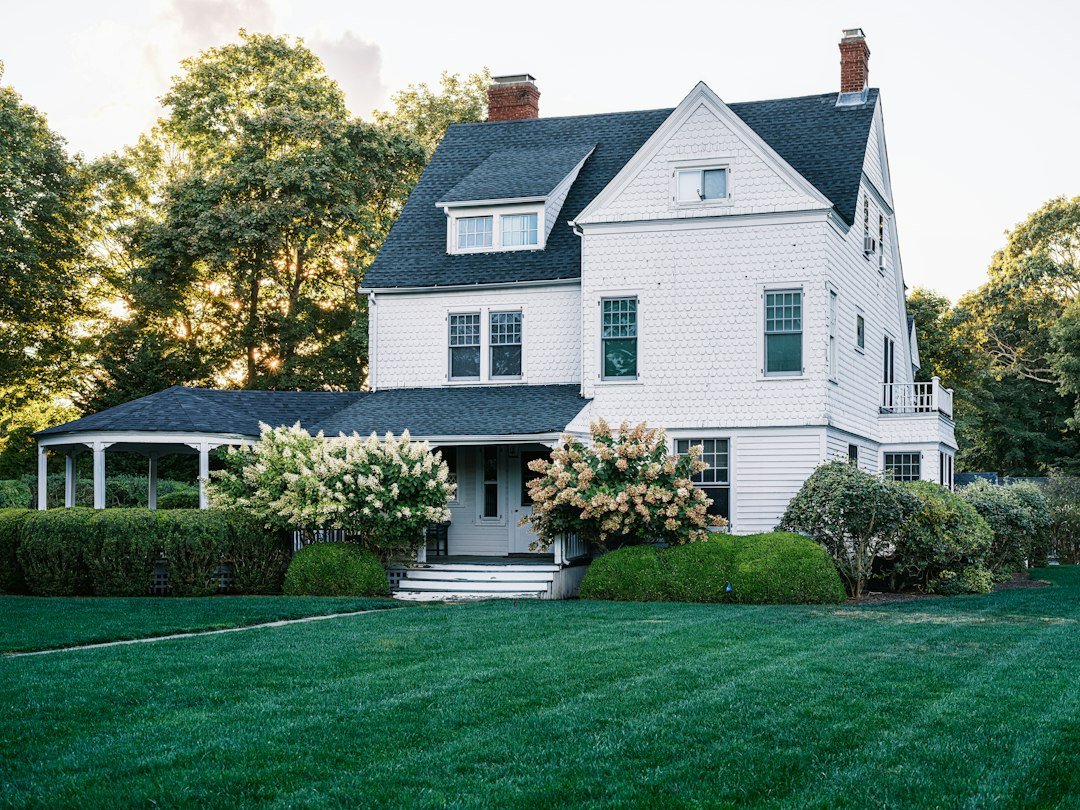
Send a replacement ad to a replacement page. On a phone, the homeowner should quickly see where you work, what happens at an inspection and how to request one. A project photo from a nearby job and an actual customer review give people something concrete to evaluate.
Use a button such as Request a Roof Inspection if your office still needs to confirm the appointment. Keep the first form short. Name, phone, ZIP code or postcode, and a brief description of the problem are enough to start in many cases. Ask for photos later if a required upload adds friction.
Here’s a confirmation you can adapt to your operating hours.
“Thanks, we received your roof inspection request. Our office will call during business hours to confirm whether we cover your address and find a time for the visit.”
Make the phone route easy to spot. If you offer a different number for urgent calls, explain the difference beside the form. A clear next step makes it easier for a homeowner to choose the right way to contact you.
3. Assign every enquiry an owner
Picture a call coming in while both crews are on roofs. Who sees it? Who calls back? How does the next person know it’s already been handled? Write down the answers before putting more money into the campaign.
- Send the form or call record to one shared place. Record the source, service area, job type and the person responsible for the next step.
- Agree on a response window your team can actually meet. Give the customer an honest expectation when they submit after hours.
- Use a short follow-up that asks for one useful detail. A postcode or the type of work needed may be all the office needs before calling.
- Have staff mark the outcome consistently. Useful stages include received, qualified, inspection booked, inspection completed and job won.
If the handoff is the weak point, a speed-to-lead workflow can acknowledge a request and route it to the right person. Use channels your customer has agreed to, and keep a human responsible for confirming the visit.

4. Measure cost per booked inspection
Decide what counts before looking at the dashboard. For this guide, a booked inspection means the customer and your team have agreed on a visit time. A form submission, a tap on the phone button and a confirmed appointment are separate events. Count each unique enquiry once in your lead totals, even if the same person calls and submits a form.
Illustrative example. Say a campaign spends $1,400 over a period and your team records these outcomes.
| Stage | Count | Ad spend per outcome |
|---|---|---|
| Unique enquiries | 20 | $70 |
| Qualified enquiries | 13 | About $108 |
| Booked inspections | 7 | $200 |
| Signed jobs | 2 | $700 |
If many enquiries are outside your area, review targeting and the service area shown on the page. If qualified homeowners rarely book, review callbacks and how you offer appointment times. If inspections happen but quotes rarely sell, look at the quote process. The stage where enquiries drop off tells you what to investigate first.
Begin with a spreadsheet or CRM that connects the enquiry to its outcome. Once your team reliably records qualified leads or booked inspections, consider sending those outcomes back to Google Ads. Google explains how to define qualified and converted leads and how enhanced conversions for leads can connect offline outcomes to ads.
Before you raise your Google Ads budget
Pick five recent enquiries and trace them from the original call or form through to an outcome. Can you tell which service each person wanted, who followed up and whether a visit was booked? If one answer keeps coming up blank, fix that step first. You’ll have a clearer basis for the next spending decision.
Questions roofing owners ask
Should repair and replacement ads share a landing page?
Start with the page that matches the job in the ad. If you advertise both, separate the messages when customers need different response times or inspection processes.
How much should a roofing company spend on Google Ads?
Use your average job margin, close rate and crew capacity to decide what you can afford per booked inspection. Start with an amount you can review closely and compare the cost with actual outcomes before increasing it.
Should a roofing campaign optimise for forms or inspections?
Record both. A form can be a useful early signal. Use reliable downstream outcomes to judge lead quality and consider using them for optimisation when you can report them consistently.
Find where your roofing enquiries stop turning into visits
Share your website, service area and the kind of roofing work you want more of. I’ll review the path from the ad or landing page to the inspection request and identify where to start.
See how the Lead Generation System connects ads, landing pages and appointment tracking for local service businesses.
Run a roofing or home services business? See how an AI system can answer every new lead in under 60 seconds and book inspections onto your calendar: AI lead response for home services.
Related reading: Roofing lead generation: how to get leads your crew can actually book.
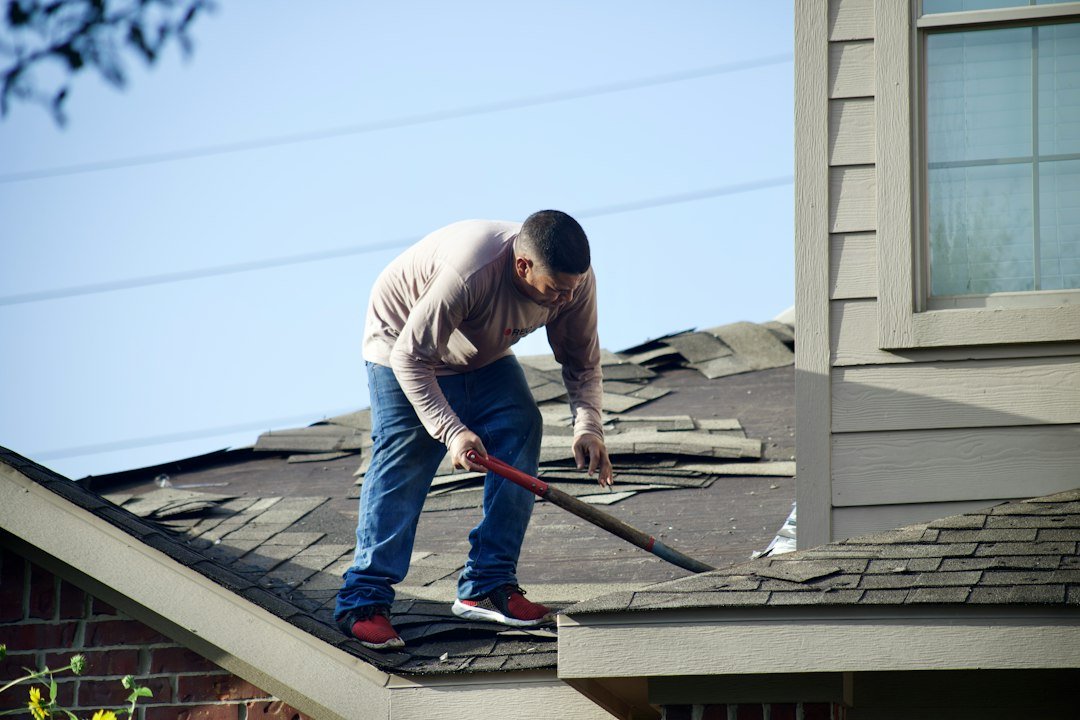
Featured photo by Zohair Mirza on Unsplash.